2026 Global White Marble Market Trends
- Share
- Issue Time
- Mar 12,2026
Summary
In 2026, the global white marble market continues its robust expansion, driven by evolving aesthetic trends and significant regional growth, particularly in the Asia-Pacific region. Milano White Marble is rapidly emerging as a preferred choice among designers, architects, and contractors due to its exceptional aesthetic and superior physical characteristics, including a pure white background with subtle grey veining, high density, low water absorption (0.11-0.22%), and a remarkable glossiness of
How High-End Demand Is Redefining the Value of White Marble
The Global White Marble Market Is Becoming Increasingly Polarized
Contemporary Design Trends Are Changing the Aesthetic Direction of White Marble
Beyond shifts in the supply chain, global design trends are also reshaping the white marble market.
For many years, heavily veined and highly contrasted marble dominated luxury interiors.
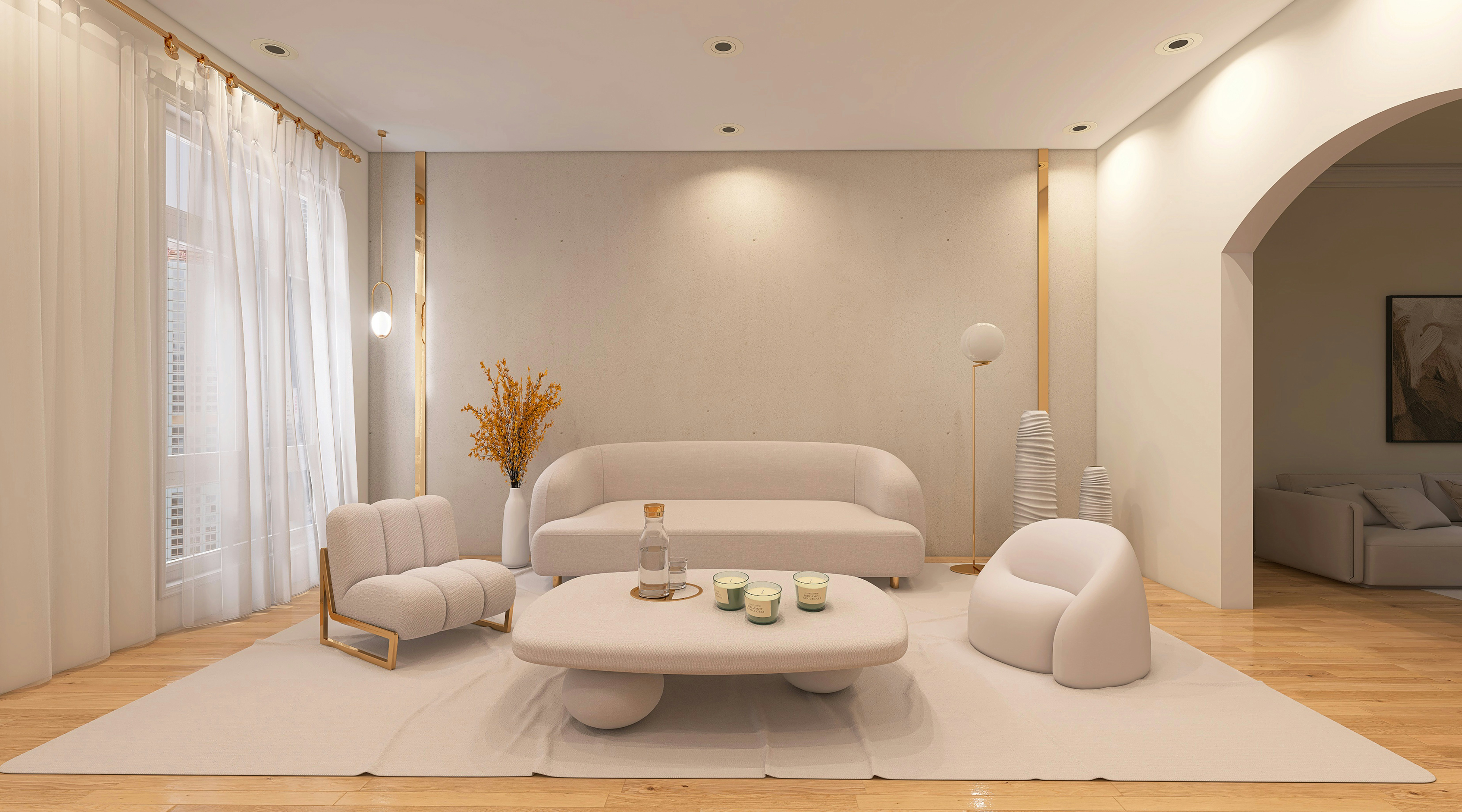
Today, however, more high-end projects are moving toward cleaner, more restrained spatial expressions.
In minimalist residences, boutique hospitality projects, and contemporary commercial interiors, designers are increasingly focused on spatial continuity, balance, and the relationship between materials and light.
As a result, the criteria for selecting white marble are changing.
Rather than prioritizing dramatic visual impact alone, more projects are evaluating:
how materials perform across large surfaces,
how consistently slabs work together visually,
and how stable the finished space feels over time.
This is one reason why a new generation of white marble — better suited to contemporary architecture and large-scale applications — is beginning to gain attention globally.
Why High-End Projects Continue to Choose Natural White Marble
The White Marble Industry Is Entering a “Project Delivery” Era
Premium White Marble Will Continue to Define the Future of Luxury Spaces
Frequently Asked Questions (FAQ)
1. Is white marble still a popular choice in 2026? Absolutely. White marble remains a dominant force in interior design for 2026. Its popularity is sustained by its timeless elegance, versatility, and ability to adapt to evolving trends. While classic cool-toned marbles are evergreen, there's a growing demand for warmer-toned white marbles and those with unique, subtle veining, reflecting a broader design shift towards natural, authentic, and inviting spaces. Its use is expanding beyond traditional countertops and flooring into furniture, decorative accents, and full-height feature walls.
2. What are the key differences between various types of white marble like Carrara, Calacatta, and Milano White? The main differences lie in their appearance, rarity, and physical properties.
- Carrara marble is known for its soft white-to-light-grey background with fine, feathery grey veining. It's one of the more common and affordable luxury marbles.
- Calacatta marble is rarer and more expensive, prized for its bright white background and bold, dramatic veining that can range from grey to gold.
- Milano White Marble distinguishes itself with a very clean, pure white background and delicate, subtle veining. Its key advantage lies in its superior physical properties, including extremely low water absorption and high density, which make it more durable and stain-resistant than many other white marbles.
3. How do I properly care for and maintain white marble surfaces? Proper care is essential to preserve marble's beauty. First, always seal your marble surfaces upon installation and reseal them every 6-12 months to protect against staining. For daily cleaning, use a soft cloth or sponge with a pH-neutral cleaner specifically designed for stone; avoid acidic or abrasive cleaners like vinegar, lemon juice, or ammonia. Blot up spills, especially acidic ones like wine or coffee, immediately to prevent etching and staining. Lastly, use coasters, placemats, and trivets to protect the surface from scratches and thermal shock from hot pans.
4. What makes white marble a good long-term investment for a home? White marble is considered a great investment for several reasons. First, its timeless appeal means it doesn't go out of style, unlike trendier materials that may need replacing. Second, it adds significant perceived value to a property; homes with marble finishes are often seen as more luxurious and can command a higher resale price. Third, it is extremely durable. With proper maintenance, marble can last for generations, making it a sustainable and cost-effective choice over the long run. Its unique, natural beauty ensures that every installation is one-of-a-kind, adding an element of exclusivity that is attractive to discerning buyers.
5. Why is Milano White Marble considered a superior choice for large or high-end projects?
Milano White Marble is exceptionally well-suited for large-scale and luxury projects due to its combination of aesthetic consistency and robust physical performance. Its sourcing from a dedicated quarry, such as the PFM Quarry, allows for a stable and consistent supply, which is crucial for achieving a uniform look across extensive areas. More importantly, its technical specifications—high density, high compressive strength, and incredibly low water absorption rate—make it more durable, less prone to staining, and easier to maintain than many other marbles. This makes it a practical and rational choice for high-traffic environments like hotel lobbies, commercial buildings, and luxury residences where both beauty and long-term performance are paramount.
Tasso White
Contemporary White Marble for Luxury Spaces
For samples, technical information, or project inquiries, please contact PFM